Signs of Hidden Water Damage
Most water damage is found late, because the leak is somewhere nobody looks. Frisco Water Damage Repair runs through the signs that mean water has been sitting in a wall, a ceiling or under a floor for a while.
- 24/7 Emergency Response
- Upfront Quotes
- Drying & Repairs
By the Frisco Water Damage Repair team · Updated September 2026
A Smell Before Anything Else
The first sign is usually a musty smell that comes back after you have cleaned. It is strongest near the floor, in a closet, or when the air conditioning first kicks in. That smell is growth on the hidden face of a material, and by the time you can smell it there has been moisture there for a while.
Worth checking: under sinks, behind toilets, in the back corners of closets on exterior walls, and around the base of the water heater. If the smell is strongest when the HVAC runs, the moisture may be in a duct chase or around the air handler.
Stains That Change Shape
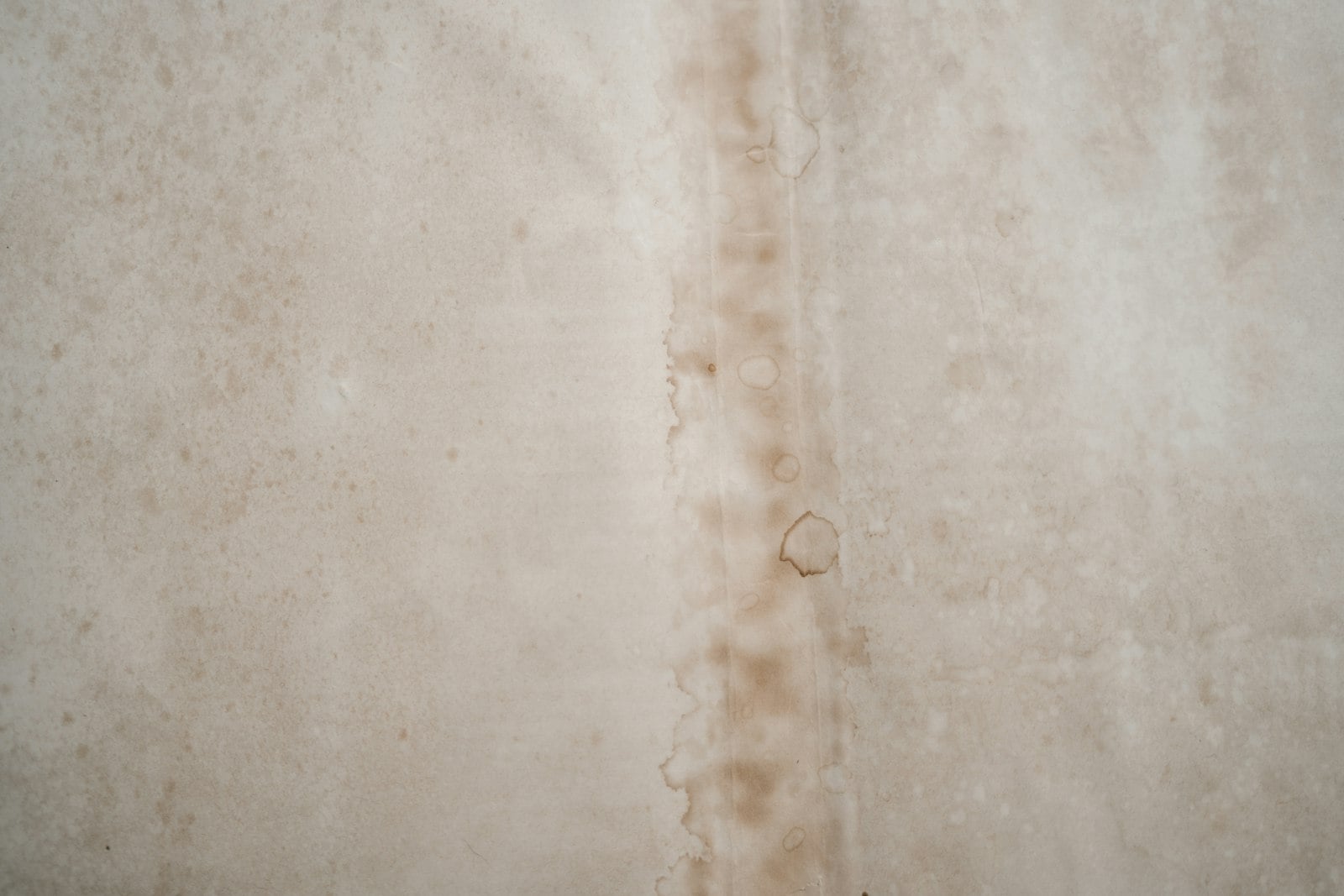
A brown ring on a ceiling is obvious once it is there, but the useful detail is whether it is growing. Mark the edge with a pencil and check it in a few days. An old stain from a leak that was repaired years ago will sit still. A live leak keeps spreading, usually a little further after each rain or each shower upstairs.
Stains directly beneath an upstairs bathroom, a laundry room or an attic water heater deserve more urgency than the same stain in the middle of a hallway. Those three are where pressurized water sits above finished ceilings in most homes here.
Paint and Trim That Have Moved
Paint bubbling or peeling in a patch, tape seams showing through a ceiling, baseboards lifting away from the wall, or a door that has started sticking in one corner all point to material that has taken on moisture and swollen. Wood trim that has darkened at the bottom edge is a strong signal.
On flooring, look for cupping in hardwood, gaps opening at laminate seams, or tile grout that has cracked in a line. Any of those on a slab home usually means water underneath rather than a finish problem on top.
Flooring That Feels Different
Walk the room barefoot. Carpet that feels cool or heavy in one area, a soft or spongy patch in a floor, or a section that sounds different when you tap it all suggest moisture below the surface. On carpet, the padding underneath holds water long after the pile feels dry to the hand.
If the house has vinyl or laminate over a slab, look at the edges of the room and at doorway thresholds. Water trapped under a floating floor shows up there first, often as a slight lift or a dark line.
The Bill and the Meter
A water bill that has climbed for no reason you can explain is worth taking seriously. Turn everything off inside, then look at the meter: if the dial or the leak indicator is still moving, water is going somewhere. That is a job for a plumbing contractor to locate, but it is also the reason people find damage under a floor.
The same applies to a water heater that seems to run more than it used to, or a patch of floor that is warm underfoot. Neither proves anything on its own; both are worth a proper look rather than another month of waiting.
Why Slab Homes Hide It So Well
In a house with no basement, there is no underside to inspect. Water that escapes a line under or in the slab has nowhere to go but sideways, so it wicks into the bottom of drywall, saturates carpet padding and sits against the concrete. From above, the floor can look completely normal for weeks.
That is why a meter inspection is worth more than an opinion here. Thermal imaging shows the temperature difference where moisture sits, and a meter confirms it, all without opening anything. Guessing where to cut is how a small repair becomes a large one.
What This Looks Like Around Frisco
The pattern in this area is fairly consistent. Hail damage in spring leaves roofs leaking slowly, and the stain appears days later when the decking has soaked through. Attic water heaters and HVAC pans drip into ceilings. Upstairs laundry rooms put a supply hose above a living room. Older supply lines in the established neighborhoods fail without any warning at all.
Nearby towns show the same thing at different ages: newer construction north of Frisco tends to fail at fittings and roof details, as covered on our Prosper water damage page, while 1990s housing has components reaching the end of their service life.
Arrange an Inspection
If any of this sounds familiar, the next step is readings rather than demolition. Frisco Water Damage Repair can check the suspect areas with meters and thermal imaging, explain what is actually wet and quote the work before anything is opened up.
If growth has already started, see mold remediation. If the source turns out to be a failed line, see burst pipe cleanup, and read the dry and restore versus replace guide to understand what is likely to be saved. You can request a visit whenever it suits.