Emergency Water Extraction
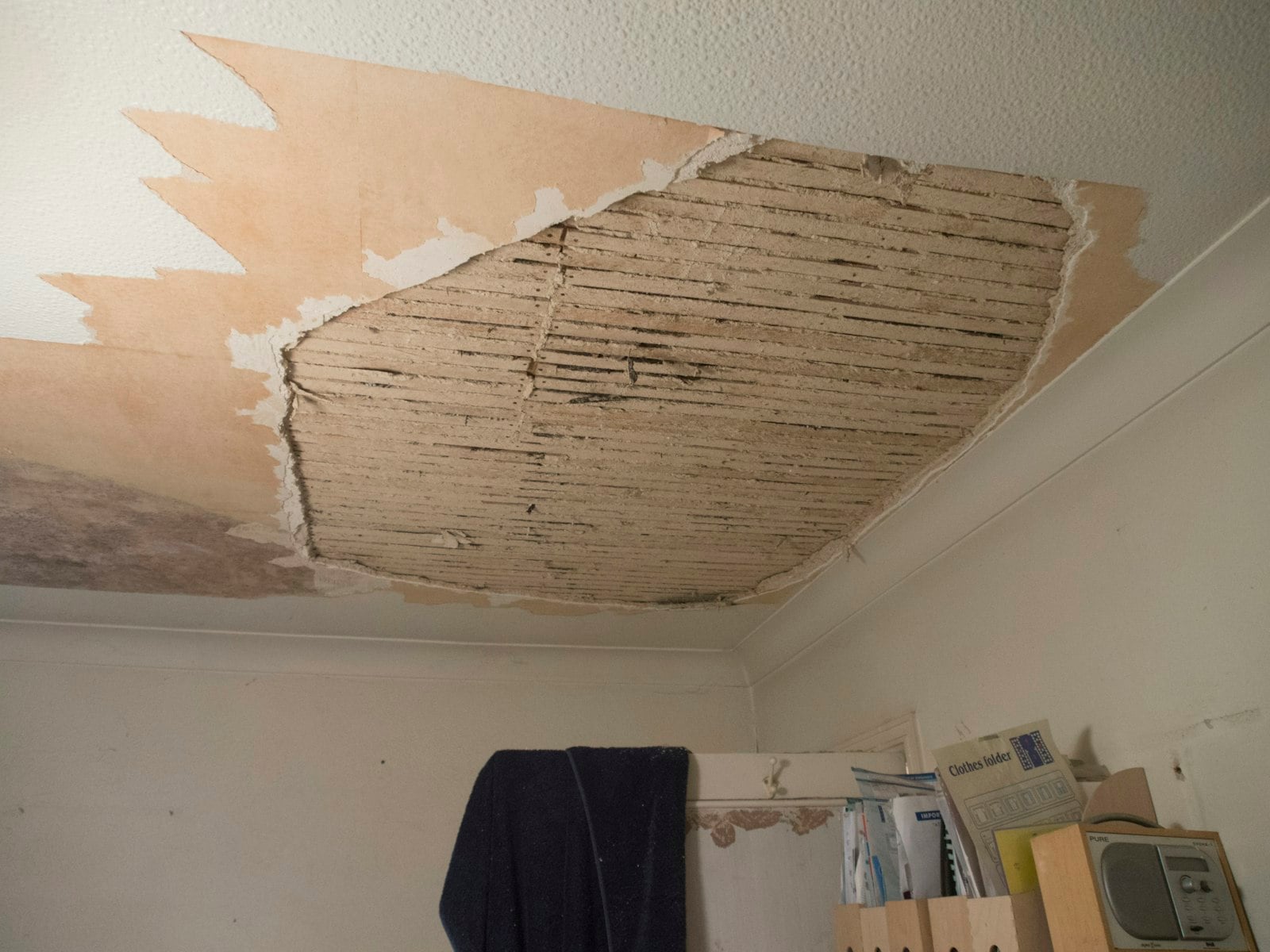
Older homes hide water in floor structures and behind lath. Finding the extent comes before anything is opened.
Water ExtractionMcKinney runs from pre-war houses around the downtown square out to master-planned neighborhoods near US 75. Restoration providers treat those two very differently, because old timber floors and modern slab construction do not dry the same way.
Older homes hide water in floor structures and behind lath. Finding the extent comes before anything is opened.
Water Extraction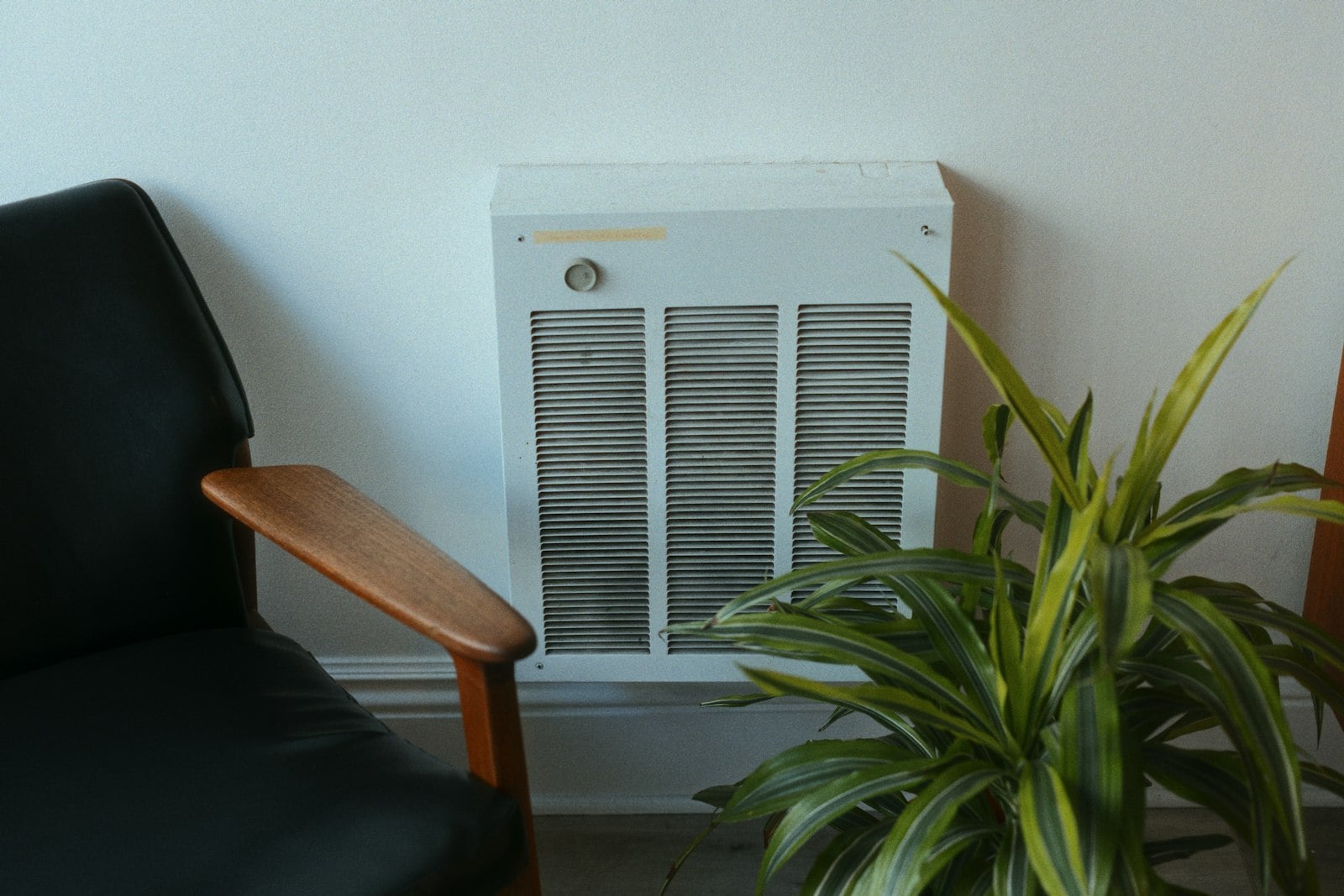
Historic material dries slowly and unevenly, so readings and patience matter more than raw airflow.
Structural Drying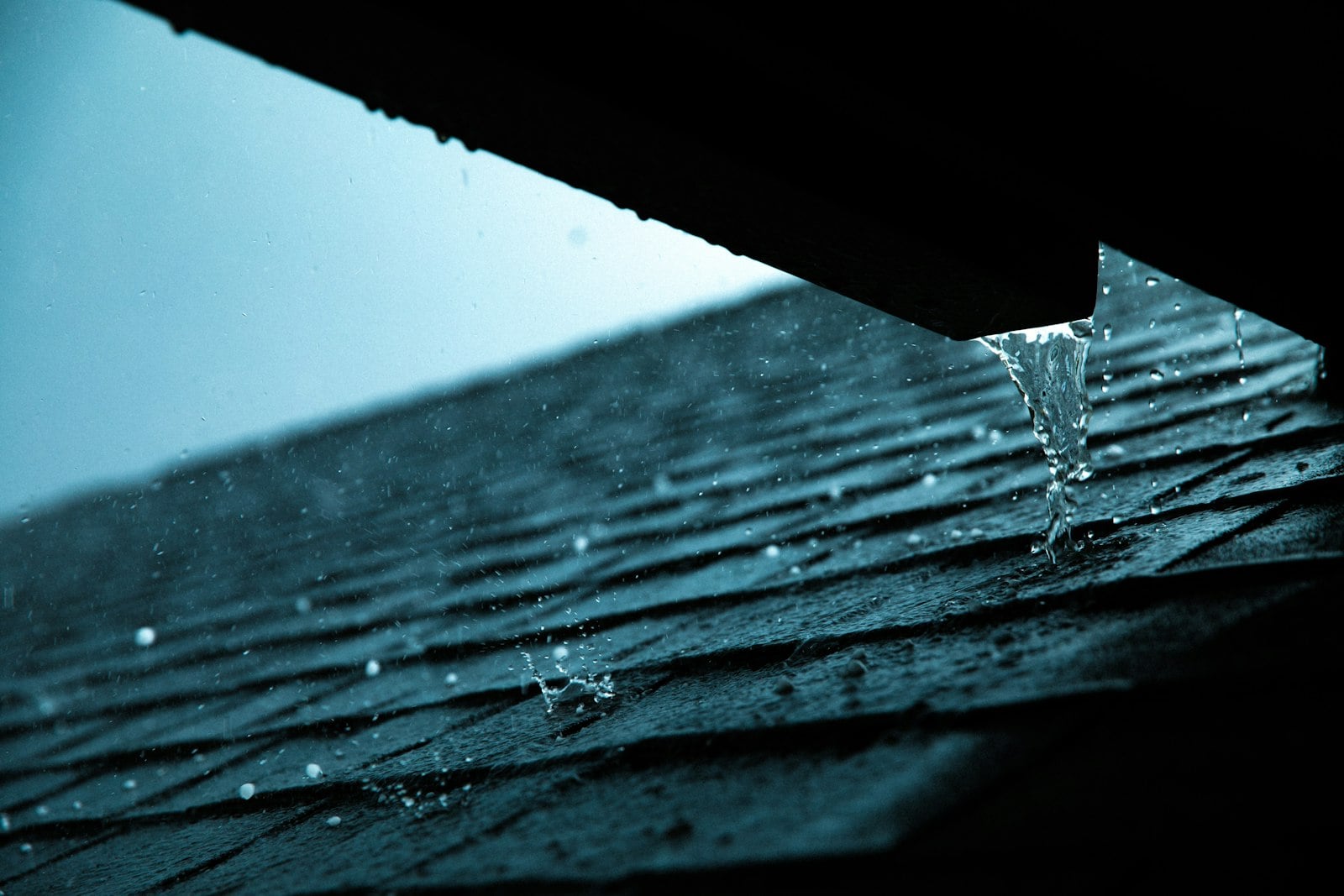
Hail on an older roof, or on a new one, ends up as a ceiling stain a few days after the storm.
Storm & Flood CleanupMention which part of town you are in and roughly when the house was built. Around the historic core you find timber floor structures, plaster and original trim, where drying has to be slower and more careful to avoid damaging material that cannot be matched. Out toward the newer master-planned areas it is slab, drywall and engineered flooring, which behave predictably.
If the property is an older one, mention any previous repairs, added bathrooms or a laundry room that was moved upstairs. Those changes are often where the pipework runs above finished space, and they are a common start point.
Old floors, plaster and original trim are worth drying rather than replacing where possible, which takes longer and needs closer monitoring.
Newer west-side housing is slab, drywall and two stories, so the drying plan runs on both levels at once.
Narrow older streets, alley access or a gated community all affect how equipment gets in. Mention it when you call.
In a genuinely old house, replacing material is often the worse option, because what comes out cannot be matched and what goes back does not look right. That pushes the balance toward longer, more careful drying wherever the readings say it can work. In newer construction the calculation is the opposite: swollen laminate or saturated drywall is cheap to replace and slow to dry.
The dry and restore versus replace guide works through how that decision is made on readings. South of you, the newer housing stock is covered on our Allen water damage page, and you can arrange a visit with a provider.
The size of the wet area, the type of water and how much has to be removed instead of dried. Older properties sometimes cost more to dry and less to replace, because saving original material is worth the extra days. Ask the independent provider to explain the scope and the price on site. See how a call works.
Frisco Water Damage Repair connects McKinney callers with independent providers, as in the other towns on our service areas page. Have the address, the age of the property and where the water started ready. Plumbing and roofing repairs are separate trades.
Availability and scheduling depend on the independent provider and the property location. Active water is usually treated as more urgent, so it is worth calling while it is happening.
Be careful. Old timber floors and subfloors that have taken water can lose strength, and wet finishes are slippery. Keep off flooring near outlets and appliances, avoid the area under any sagging ceiling, and let the provider check the structure before furniture is moved back.
Often, if drying starts quickly. Boards that have cupped can settle back over weeks of controlled drying; boards that have crowned, split or lifted from the subfloor usually cannot. The readings and the age of the loss decide it, and the comparison guide explains why.
It changes the pace and the care. Plaster, original trim and old floor structures dry slowly, and removing them is a loss that cannot be undone, so a provider will often lean toward drying in place and monitoring for longer. See structural drying for how that is measured.
Call, say what is wet and whether the water has stopped, and get connected with a provider.