Ceiling Water Damage Repair Cost in Frisco, TX
Ceiling water damage repair cost in Frisco, TX depends mostly on three things: what caused the leak, how far the water spread above and around the ceiling, and how quickly drying started. A small stain from a fixed leak is a light job. A sagging, soaked ceiling with wet insulation is a much bigger one.
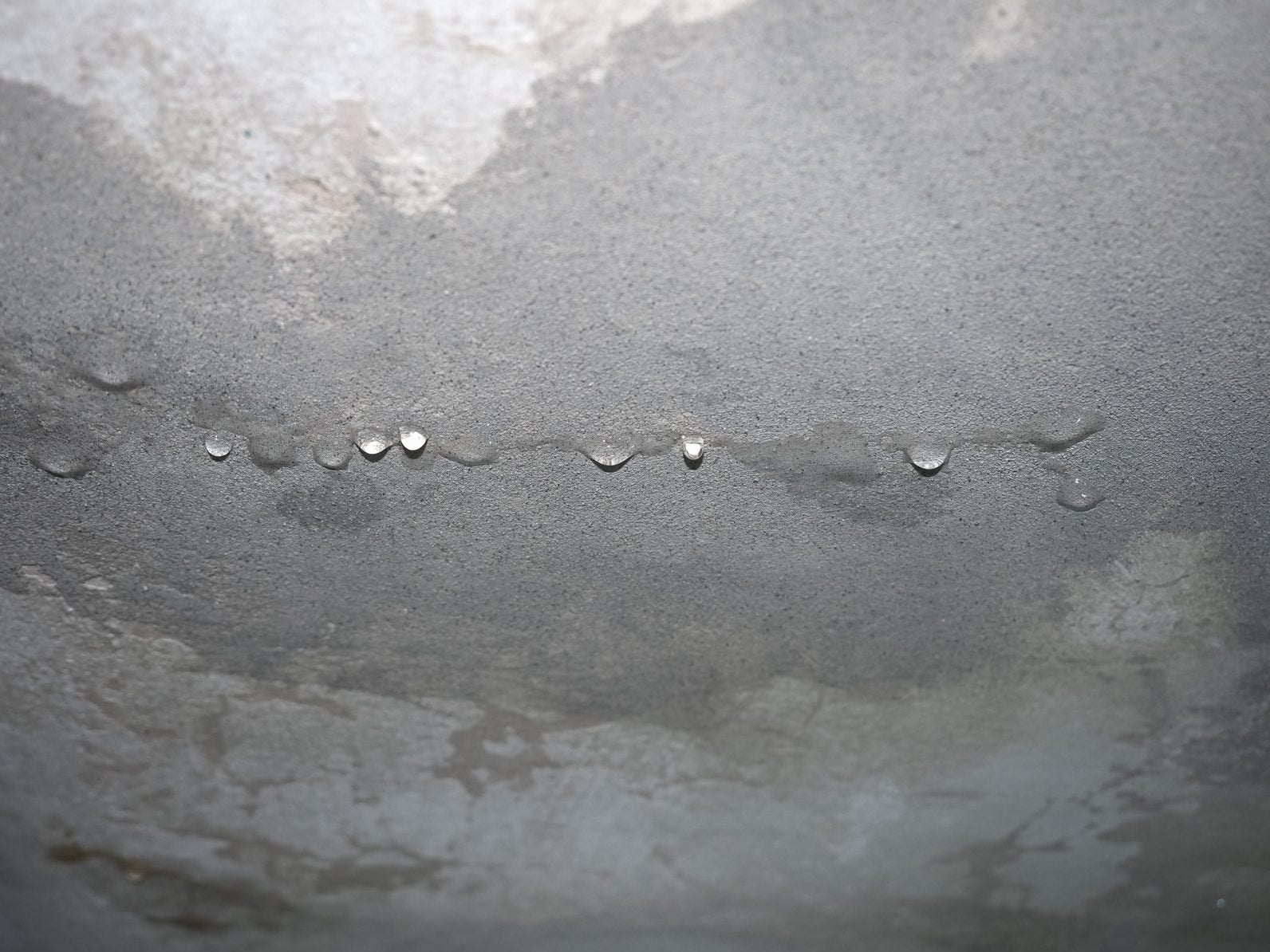
- The leak source has to be fixed first, and that repair (roof, pipe, AC drain or bathroom) is often billed separately from the ceiling work.
- Wet insulation, sagging drywall and hidden moisture in framing add the most to the total.
- The Texas Department of Insurance warns that mold can start growing within a day after a leak, so slow drying usually means a larger job.
- Many policies treat sudden damage differently from gradual leaks. Check your policy and document everything.
- A written quote should list each step separately: drying, removal, replacement, texture and paint.
What to do first
- If the ceiling is sagging or bulging, keep everyone out of the room below it and do not poke it.
- Turn off the water at the main shutoff valve if a pipe, water heater or fixture above is leaking.
- Turn off power to the room at the breaker if water is near light fixtures or ceiling fans, but only while standing on a dry floor.
- Put buckets and plastic sheeting under drips, and move furniture and electronics out of the way.
- Take photos and video of the ceiling, the stain and the source before anything is removed.
What affects ceiling water damage repair cost in Frisco, TX?
Ceiling water damage repair cost in Frisco, TX is driven by the size of the wet area, what is wet behind the drywall, how long it stayed wet, and what caused it. Two ceilings with the same size stain can need very different work once someone checks the insulation and framing above.
The main cost drivers are:
- Leak source: a roof leak, an upstairs bathroom, a burst pipe in the attic or an AC condensate line each need their own repair before the ceiling can be fixed.
- Size of the damage: a patch is a smaller job than replacing full sheets of drywall across a room.
- What is above the ceiling: wet blown-in or batt insulation usually has to come out, and that adds labor and material.
- Drying time: fast drying can save more of the ceiling. Slow drying can mean more removal.
- Finish work: ceiling texture, paint matching and high or vaulted ceilings take extra time.
Why does the leak source change the total so much?
The leak source sets how much water got in, what kind of water it was, and what else must be repaired before the ceiling. A clean supply line leak caught early is a simpler job than a slow roof leak that soaked insulation for weeks.
- Roof leaks: water often runs along rafters and lands far from the hole, so the wet area can be larger than the stain. See roof leak and ceiling water damage.
- Upstairs bathrooms and laundry: a toilet overflow or washer hose can send water through the floor into the ceiling below. Water from a toilet may not be clean, which changes how materials are handled.
- Attic pipes and water heaters: a burst pipe can release a lot of water fast. See burst pipe and leak cleanup.
- AC drain lines: a clogged condensate line in the attic can leak slowly for a long time before anyone notices.
A roofer or plumber may handle the source, and a water damage provider handles the drying and ceiling repair. That is why quotes often come in two parts.
Can a water-stained ceiling be dried and saved, or does it need to be replaced?
A ceiling can often be dried and saved if the water was clean, it was caught quickly, and the drywall is still firm and flat. Sagging, crumbling, or long-soaked drywall usually needs to be cut out and replaced, and that is a bigger part of the cost.
Signs a ceiling may be saved:
- The drywall is stained but still hard to the touch.
- Moisture readings drop as drying equipment runs.
- The insulation above is only damp in a small area.
Signs it likely needs replacement:
- The ceiling sags, bulges or has soft spots.
- Tape seams have pulled loose or the drywall is crumbling.
- The water was dirty, such as sewage or toilet overflow.
- There is visible mold growth.
Read more about this choice on our dry and restore vs. replace page.
Need help now? Call to be connected with a local provider in Frisco who can check availability for your address.
How does wet insulation above the ceiling add to the cost?
Wet insulation is one of the biggest hidden cost drivers. Most insulation holds water against the drywall and does not dry well in place, so a provider often removes the wet section, dries the attic framing, and then replaces the insulation.
What makes this step larger or smaller:
- How much of the attic floor got wet.
- Whether the insulation is blown-in or batts.
- How easy it is to reach that part of the attic.
- Whether the wood framing above also needs drying.
When you get a quote, ask whether the attic was checked and whether insulation removal and replacement are included or listed separately.
Does drying equipment add to the repair cost?
Yes, drying is usually its own line on the quote, but it often lowers the total. Drying the ceiling, insulation and framing properly can mean less drywall to replace and less risk of mold returning later.
Drying usually involves air movers, dehumidifiers and moisture meters. Providers check readings until materials return to normal, so the length of drying depends on the home, not a fixed schedule. Learn more on the structural drying page and in our guide on how drying equipment works.
Painting over a stain without drying is a common mistake. The stain can bleed through, and moisture trapped above can lead to mold.
How do mold and dirty water change ceiling repair costs?
Mold and dirty water both make a ceiling job larger because more material must be removed and handled with care. The Texas Department of Insurance warns that mold can start growing within a day after a leak, so a ceiling that stayed wet for days may need more than drying.
- Clean water from a supply line is the simplest case.
- Gray water, such as a washer or dishwasher leak, usually means more removal of soaked materials.
- Black water, such as sewage or toilet overflow with waste, means affected ceiling materials usually come out. See sewage backup cleanup.
In Texas, the Texas Department of Licensing and Regulation (TDLR) regulates mold assessment and mold remediation businesses, and one licensee cannot do both the assessment and the remediation on the same project. If mold is found, ask who will assess it and who will remove it. Our mold remediation page has more detail.
Will insurance help with the cost of ceiling water damage?
It depends on your policy and the cause. The Texas Department of Insurance says most homeowner and renters policies cover sudden and accidental water damage, such as a burst pipe, but usually won't cover damage from gradual leaks or seepage.
Many policies treat sudden damage differently from gradual leaks, so check your policy and document everything:
- Photos and video of the ceiling, the stain and the source.
- The date you first noticed the damage.
- Receipts for any emergency steps, like tarps or buckets.
- The written quote and moisture readings from the provider.
TDI also says hidden water damage usually must be reported within days after you first see it. Our insurance claim basics guide walks through the process.
What happens during the visit to look at a damaged ceiling?
A provider inspects the ceiling, checks moisture, explains your options, and gives a written quote before any work starts. Ask questions at each step so you understand what drives the total.
- Inspection: looking at the stain, checking the attic or floor above, and finding where the water came from.
- Moisture readings: meters show how far the water spread beyond the visible stain.
- Options explained: what can be dried, what should be removed, and why.
- Written quote: each step listed, such as drying, removal, insulation, drywall, texture and paint.
No work should start until you have seen and agreed to the written quote.
What local conditions affect ceiling water damage in Frisco and nearby towns?
Homes in Frisco, Prosper, Little Elm and McKinney see ceiling leaks from the same North Texas weather swings: hard freezes in winter and long, hot summers that work AC systems hard.
- At DFW Airport, the average first freeze is November 22 and the average last freeze is March 12, according to the National Weather Service. Pipes in attics and exterior walls are most at risk in that window.
- During the February 2021 freeze, DFW Airport stayed below freezing for 139 consecutive hours, from 5 p.m. February 13 to noon February 19.
- Insurers reported 21,715 claims in Collin County and 16,155 in Denton County from the February 2021 winter storm, as of March 31, 2022. Frisco spans both counties.
- DFW's average first 100°F day is July 1 and its average last is August 27. Attic AC units run hard through that stretch, and a clogged drain line can leak into the ceiling below.
- TDI warns that policies might not pay for frozen-pipe damage if you didn't take steps to protect your pipes, so insulating attic pipes before late November matters.
See our water damage restoration in Prosper page for nearby service details.
Related pages
Questions people ask
What is the ceiling water damage repair cost in Frisco, TX?
There is no single number, because the total depends on the leak source, the size of the wet area, wet insulation, and how fast drying started. Call to be connected with a local provider in Frisco who can inspect the ceiling and give you a written quote.
Why do two ceiling leaks of the same size cost different amounts to fix?
Because what is behind the drywall matters more than the stain. One ceiling may have dry insulation and firm drywall, while another has soaked insulation, wet framing or mold that must be removed.
Is it cheaper to fix a ceiling water stain right away or wait?
Acting quickly usually keeps the job smaller. The Texas Department of Insurance warns mold can start growing within a day after a leak, and longer wet time often means more material to remove.
Can I just paint over a water stain on my ceiling?
Not until the leak is fixed and the ceiling and area above are fully dry. Painting over a wet ceiling can let the stain bleed through and can trap moisture that leads to mold.
Does the roof leak repair cost get included in the ceiling repair quote?
Usually not. The roof is often repaired by a roofer, and the drying and ceiling work is quoted separately, so ask each provider exactly what their quote covers.
How do I know if my ceiling drywall needs to be replaced after a leak?
Sagging, soft spots, crumbling drywall, loose tape seams, dirty water or visible mold usually mean replacement. Firm, stained drywall that dries out can often be saved.
Is a sagging ceiling from water dangerous?
It can be. A sagging ceiling may be holding water and could fall, so keep people and pets out of the room below and do not poke it. Call to be connected with a local provider who can inspect it.
Does wet insulation in the attic always have to be replaced?
Often, yes. Most wet insulation holds moisture against the drywall and framing, so the wet section is commonly removed, the area dried, and new insulation put in.
Does homeowners insurance pay for ceiling water damage in Texas?
It depends on the policy and the cause. TDI says most policies cover sudden and accidental water damage, like a burst pipe, but usually not gradual leaks or seepage, so check your policy and document everything.
What should I take pictures of before the ceiling is repaired?
Photograph the stain, any sagging, the source of the leak, wet insulation if you can see it safely, and damaged belongings. Note the date you first noticed the damage.
How long does it take to dry out a wet ceiling?
It depends on how wet the materials are and what is above them. Providers use moisture meters and keep drying until readings return to normal, so there is no fixed schedule.
Why is my ceiling leaking when it has not rained in Frisco?
A dry-weather ceiling leak often comes from plumbing, an upstairs bathroom, a water heater, or an AC condensate line in the attic. Those are common sources in North Texas homes during long summers.
Can an AC drain line leak cause ceiling water damage?
Yes. A clogged condensate line or full drain pan in the attic can leak slowly into the ceiling below, sometimes for a long time before a stain appears.
Does mold on a wet ceiling raise the repair cost?
Usually, yes, because moldy materials need to be removed with more care. In Texas, TDLR regulates mold assessment and remediation businesses, and one licensee cannot do both on the same project.
Can I fix a small ceiling water stain myself?
You can if the leak is fixed, the stain is small, and the drywall is firm and fully dry. If the ceiling sags, the area is large, or you suspect mold, have a professional check it first.
What questions should I ask about a ceiling water damage repair quote?
Ask what caused the damage, how far moisture spread, whether insulation and framing were checked, and which steps are listed separately. Make sure the quote is in writing before work starts.
Do frozen pipes in the attic cause ceiling damage in Frisco?
They can. At DFW Airport the average first freeze is November 22, and TDI warns policies might not pay for frozen-pipe damage if pipes were not protected, so insulate attic pipes before winter.
Who do I call for ceiling water damage repair in Frisco, Prosper or Little Elm?
Call to be connected with a local water damage provider who serves Frisco, Prosper, Little Elm and nearby towns. They can inspect the ceiling, explain your options and give a written quote.
Should I turn off the power if water is dripping from a ceiling light?
Yes, if you can do it safely. Turn off the breaker for that room only while standing on a dry floor, and avoid touching the fixture or wet switches.
Talk to someone about your water damage problem
Call to be connected with a local provider who can check availability for your address and explain the next step.