How Much Is Water Damage Repair in Frisco? Sizing the Job
How much is water damage repair in Frisco, TX? It depends on the size of the job, and the size is set by how far the water spread, what kind of water it was, which materials it soaked and how long it sat. You can read most of those clues yourself before anyone gives you a written quote.
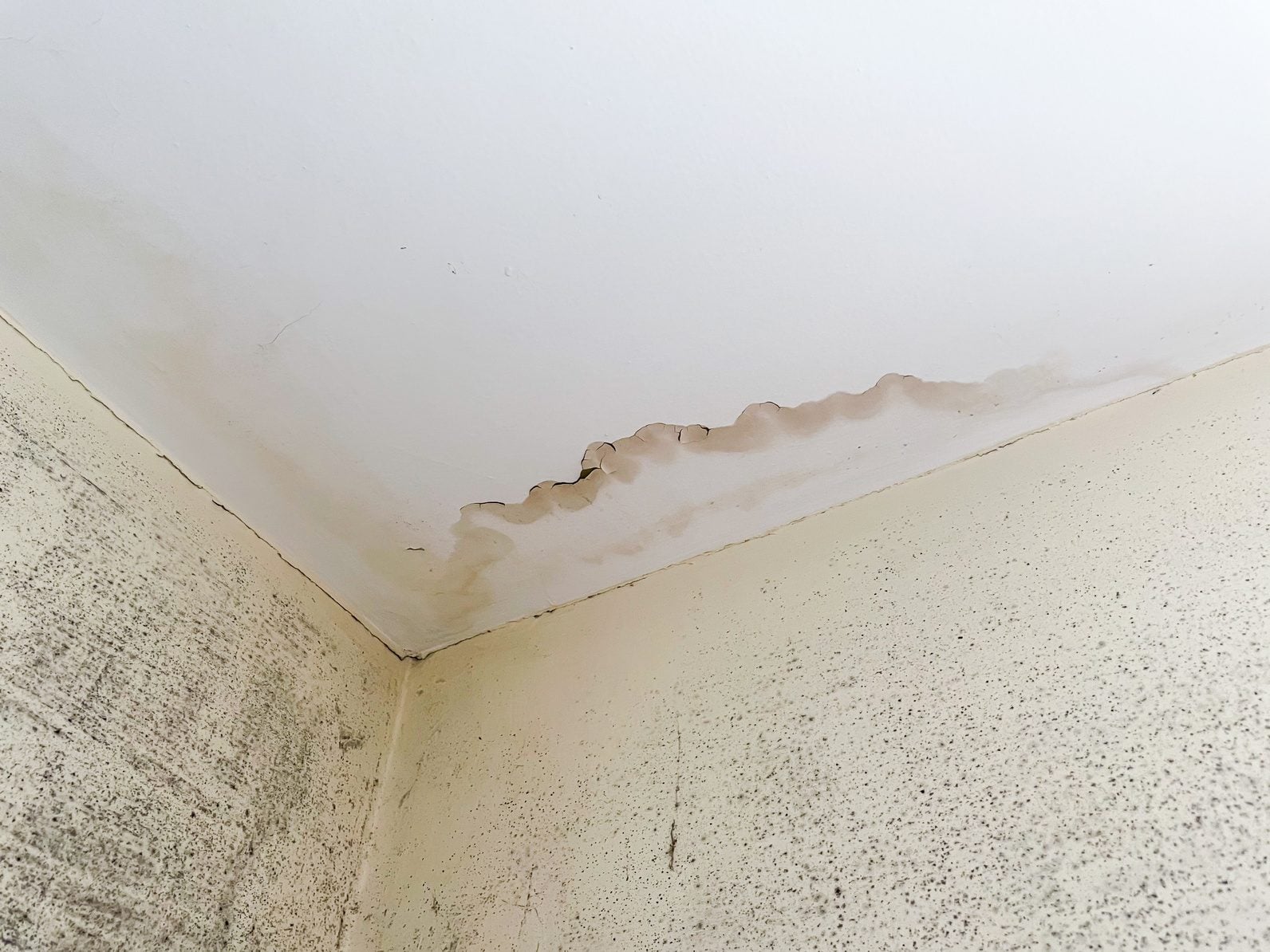
- The scope of a water damage repair is set by spread, water type, materials and time, not by the size of the puddle you can see.
- Water wicks up drywall and travels under flooring, so the damaged area is often larger than the wet spot.
- The Texas Department of Insurance warns that mold can start growing within a day after a leak, which can turn a small job into a bigger one.
- Most repairs have two parts: drying out the structure, then rebuilding what had to be removed.
- Many policies treat sudden damage differently from gradual leaks. Check your policy and document everything.
How much is water damage repair, and what decides the size of the job?
How much water damage repair a Frisco home needs is decided by the scope of the damage, not by a price list. Scope means how many rooms and materials the water reached, what kind of water it was, and how long it had to soak in. A bigger scope means more drying, more removal and more rebuild.
Four things set the scope of almost every water damage repair:
- Spread: how many rooms, walls, floors and ceilings the water touched, including spaces you cannot see.
- Water type: clean water from a supply line, gray water from an appliance, or dirty water from a sewer backup or flood.
- Materials: tile, carpet and pad, laminate, hardwood, drywall, insulation and cabinets all react to water differently.
- Time: how many hours or days passed before the water was stopped and drying started.
If you want to understand how those pieces show up on a quote, our guide to the typical cost of water damage restoration in Frisco covers quote line items. This guide focuses on sizing up the damage itself.
How can I tell how far the water spread in my Frisco home?
In a Frisco home, water almost always spreads farther than the wet spot you can see. It runs along the slab under flooring, wicks up drywall and drips down inside wall cavities. Checking the rooms and walls next to the source gives you a rough idea of how big the repair will be.
Walk the area and look for these clues:
- Baseboards that are swollen, separated from the wall or stained.
- Drywall that feels soft, looks bubbled or shows a tide line above the floor.
- Carpet that feels damp a few feet away from the source, or pad that squishes.
- Laminate or wood flooring that has started to cup, lift or buckle at the seams.
- Stains or sagging on the ceiling below a bathroom, laundry room or attic unit.
- A musty smell in a closet or cabinet next to the wet room.
Moisture meters are what actually map the edges of the damage. Our page on signs of hidden water damage lists more places water hides.
Does the type of water change how big the repair is?
Yes. The type of water is one of the biggest factors in the size of a water damage repair in Frisco. Clean water from a burst supply line can often be dried in place if drying starts quickly. Dirty water from a sewer backup or floodwater usually means porous materials it touched have to be removed and the area cleaned.
In plain words, the three types of water are:
- Clean water: from a supply line, a water heater or rain coming straight through a roof opening.
- Gray water: from a washing machine, dishwasher or a toilet overflow without waste. It can carry soap, food and bacteria.
- Dirty water: from a sewer backup, toilet waste or outdoor floodwater. Anything soft it soaked is usually thrown out.
Clean water can also turn into a dirtier category if it sits for days, so a leak that started clean may not stay that way.
Need help now? Call to be connected with a local provider in Frisco who can check availability for your address.
Which materials make a water damage repair bigger?
Soft and layered materials make a water damage repair in Frisco bigger because they hold water and are hard to dry. Carpet pad, laminate, particleboard cabinets, insulation and drywall often have to be cut out. Tile on a concrete slab, solid wood framing and some hardwood floors can often be dried if they are caught early.
How common materials usually behave:
- Carpet and pad: carpet can sometimes be dried, but pad usually comes out, and both are removed after dirty water.
- Laminate and vinyl plank: water traps under the planks and swells the core, which often means removal.
- Drywall: wet drywall is often cut out a short distance above the water line, then patched later.
- Insulation: wet batt insulation in walls or attics usually has to be replaced.
- Cabinets: particleboard bases swell and rarely recover.
- Concrete slab: it holds moisture for a long time, so flooring on top needs to wait until it tests dry.
The dry and restore vs. replace page explains how providers decide what can stay.
Why does waiting make water damage repair bigger?
Waiting lets water climb higher in walls, sink deeper into floors and give mold time to start, so the repair gets bigger every day it sits. The Texas Department of Insurance warns that mold can start growing within a day after a leak. In a Frisco home, a leak found in the morning is usually a much smaller job than the same leak found a week later.
What time changes:
- Drywall that could have been dried may need to be cut out higher up the wall.
- Flooring swells and buckles, so it moves from drying to replacing.
- Clean water can become dirty water as it picks up bacteria.
- Mold growth can add a separate assessment and remediation step.
Stop the water at the shutoff valve, take photos, and call to be connected with a local provider so drying can start. Our page on structural drying explains how the drying stage works.
What is the difference between drying and rebuilding?
Most water damage repairs in Frisco happen in two stages: drying, then rebuilding. Drying removes the water and brings the structure back to normal moisture levels. Rebuilding replaces what had to be removed, such as drywall, baseboards, insulation, flooring and paint. The size of each stage depends on the damage.
What each stage usually covers:
- Drying (mitigation): water extraction, removal of materials that cannot be saved, air movers and dehumidifiers, and moisture checks until the area tests dry.
- Rebuild: new drywall, texture, paint, trim, insulation, cabinets and flooring.
These stages are sometimes handled by different providers and are often quoted separately. When you ask how much a repair will be, ask whether the answer covers drying, rebuild or both.
What happens during the visit?
When a local water damage provider comes to your Frisco home, the visit starts with an inspection, moves to an explanation of your options, and ends with a written quote before any work begins.
- Inspection. The provider confirms the source is stopped, maps the wet area with moisture meters, and notes the water type and the materials affected.
- Options explained. You hear what can likely be dried in place, what may need to come out, and whether rebuild is part of the job.
- Written quote. You get a written quote that lists the rooms, materials and work, so you can compare it and share it with your insurer.
You decide what happens next.
What makes water damage repairs bigger in Frisco and nearby cities?
Homes in Frisco, Prosper, Little Elm and The Colony face a few local conditions that can make water damage repairs larger, mostly from winter freezes and long, hot summers that keep attic AC units running.
- At DFW Airport, the average first freeze is November 22 and the average last freeze is March 12, according to the National Weather Service. A pipe that bursts in an attic or outside wall during that window can wet a ceiling, walls and floors at once.
- During the February 2021 freeze, DFW Airport fell to -2°F on February 16, 2021, and stayed below freezing for 139 consecutive hours.
- Insurers reported 21,715 claims in Collin County and 16,155 in Denton County from the February 2021 winter storm, as of March 31, 2022. Frisco spans both counties.
- DFW's average first 100°F day is July 1 and its average last is August 27, a long stretch when attic AC drain lines work hard and can back up onto ceilings.
- The National Association of Home Builders reports that 97.9% of new single-family homes in the West South Central region, which includes Texas, were built on slab foundations in 2024. Water on a slab spreads under flooring and the slab itself dries slowly.
For nearby details, see the water damage restoration in Little Elm page.
Related pages
Questions people ask
How much is water damage repair in Frisco, TX?
It depends on the scope of the damage, so there is no single answer. How far the water spread, the type of water, the materials it soaked and how long it sat decide the size of the job, and a written quote after an inspection tells you what yours will be.
Why can't anyone tell me how much my water damage repair will be over the phone?
Because the real size of the damage is usually hidden. Water travels inside walls and under flooring, and only an inspection with moisture meters shows how far it went.
How do I know if my water damage is minor or major?
Minor damage is usually one small area of clean water caught quickly, on materials like tile. It becomes major when it reaches several rooms, soaks drywall or carpet pad, involves dirty water, or sat for more than a day or two.
Is a small leak under my sink a big repair?
Not always, but it can be. A slow leak under a sink often soaks the cabinet base and can run under the flooring or into the wall behind it, so check those areas before assuming it is small.
Does water damage get worse if I wait a few days to deal with it?
Yes. Water keeps wicking into drywall and flooring, and the Texas Department of Insurance warns that mold can start growing within a day after a leak, so waiting usually makes the repair bigger.
Why is my water damage repair bigger than the wet spot I can see?
Water spreads in ways you cannot see. It runs along the slab under flooring, climbs drywall and collects inside wall cavities and under cabinets, so the damaged area is usually larger than the visible stain.
Does a toilet overflow need a bigger repair than a burst pipe?
It can. Water from a toilet is gray or dirty depending on whether waste was involved, and porous materials touched by dirty water are usually removed instead of dried.
Can wet drywall be dried, or does it always have to be replaced?
Sometimes it can be dried. Drywall wet with clean water and dried quickly may be saved, but drywall that is soft, crumbling, swollen or touched by dirty water is usually cut out and replaced.
Do I have to replace my carpet after water damage?
Not always. Carpet wet with clean water can sometimes be dried, though the pad underneath is often replaced, and carpet soaked by sewage or floodwater is usually thrown out.
Is the drying part and the rebuild part of water damage repair separate?
Often they are. Drying removes water and brings the structure back to normal moisture, and rebuild replaces drywall, flooring and paint, and they may be quoted separately or handled by different providers.
How do I check my house for hidden water damage after a leak?
Look for swollen baseboards, soft or stained drywall, damp carpet away from the source, lifted flooring and musty smells. A provider with moisture meters can confirm where water actually went.
Does water damage from a frozen pipe usually need a big repair in Frisco?
Frozen-pipe bursts often do, because the pipes are frequently in attics or outside walls. Water from above can reach a ceiling, walls and floors at the same time.
Can an AC unit in the attic cause a big water damage repair?
Yes. A clogged attic AC drain line can leak onto ceiling drywall and insulation for a while before you see a stain, which can widen the area that needs repair.
Does mold make water damage repair bigger in Texas?
It can. Mold may add a separate assessment and remediation step, and in Texas a licensed mold remediator must notify TDLR at least five days before a project starts unless mold affects less than 25 contiguous square feet.
Will my homeowners insurance pay for water damage repair in Texas?
It depends on the cause and your policy. The Texas Department of Insurance says most policies cover sudden and accidental water damage, such as a burst pipe, but usually won't cover gradual leaks or seepage, and flooding needs a separate flood policy.
How soon should I report hidden water damage to my insurance company?
Report it quickly. TDI says hidden water damage usually must be reported within days after you first see it, and the exact deadline is in your policy.
What should I photograph before water damage repair starts?
Take photos and video of the source, every wet room, stained walls and ceilings, damaged flooring and any damaged belongings. Keep damaged items until your adjuster says they can go.
What should I do first if I find water damage in my Frisco home?
Stop the water at the shutoff valve, turn off power to wet areas if it is safe, and photograph everything. Then call to be connected with a local water damage provider who can inspect the damage and explain your options.
Who do I call to find out how big my water damage repair is in Frisco, Prosper or Little Elm?
Call the number on this page to be connected with a local water damage provider. They can inspect the damage, explain what can be dried and what may need replacing, and give you a written quote before any work.
Talk to someone about your water damage problem
Call to be connected with a local provider who can check availability for your address and explain the next step.