What Is Water Damage Restoration in Frisco?
What is water damage restoration? It is the full process of getting a home back to normal after a leak or flood: stopping the source, removing standing water, drying the structure, cleaning, and repairing or replacing what was damaged. In Frisco, TX it usually starts with an inspection and moisture readings, then a written plan.
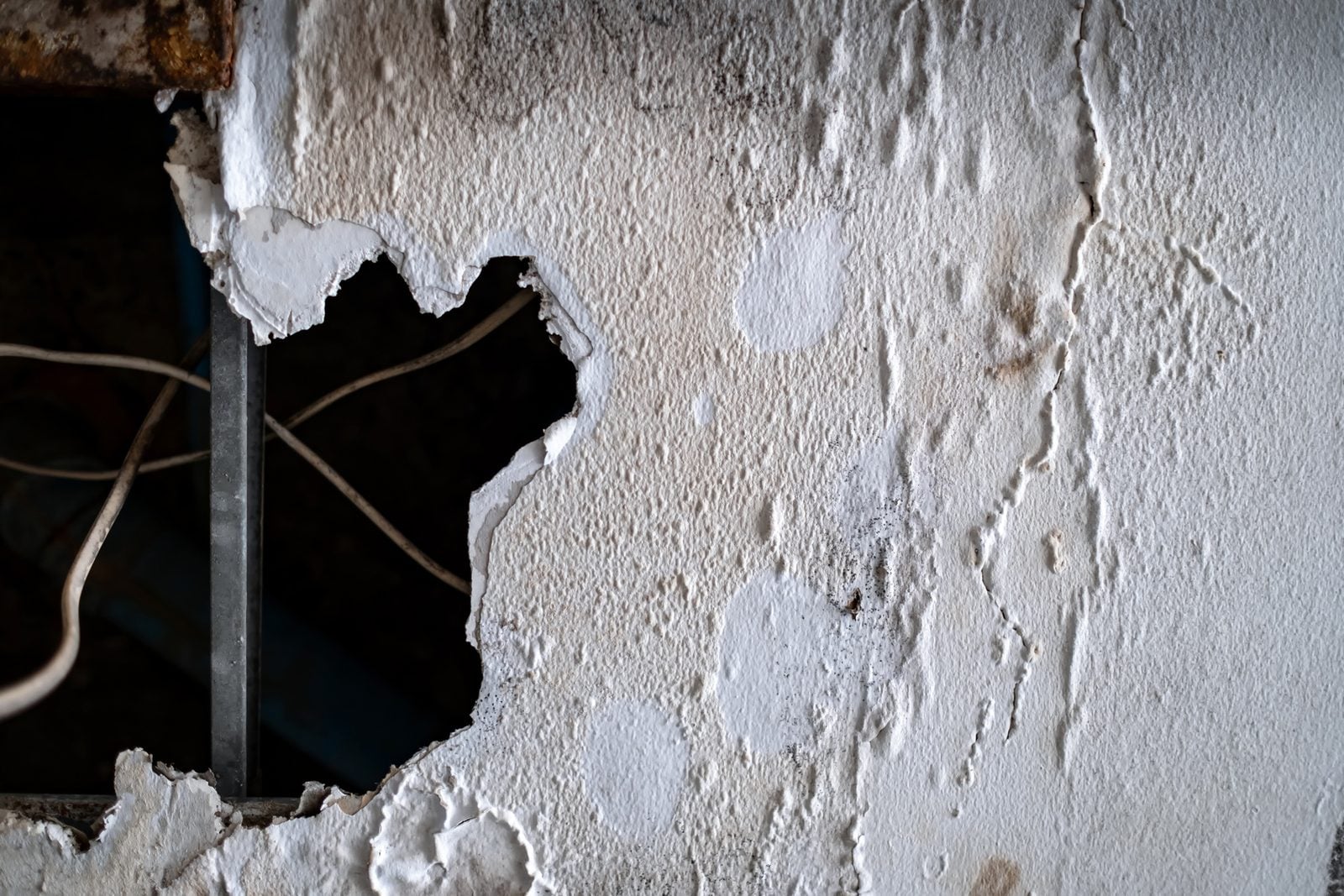
- Water damage restoration covers two stages: mitigation (stopping and drying the damage) and restoration (repairing and rebuilding what was lost).
- Drying is measured with moisture meters, not guessed by touch or by how a room looks.
- The Texas Department of Insurance warns that mold can start growing within a day after a leak, so starting the drying early matters.
- Clean, gray and black water are handled differently, and dirty water usually means more material has to come out.
- Many policies treat sudden damage differently from gradual leaks. Check your policy and document everything.
What is water damage restoration, in plain words?
Water damage restoration is the work of returning a Frisco home to its condition before the water got in. It covers finding and stopping the source, pulling out standing water, drying floors, walls and framing, cleaning, and then repairing drywall, flooring or cabinets that could not be saved.
Water moves under baseboards, wicks up drywall and soaks into pad, insulation and framing you cannot see. A restoration job follows that moisture until the materials test dry.
The work usually falls into these parts:
- Assessment: finding the source, checking how far water spread, and deciding what kind of water it was.
- Water removal: extracting standing water from floors and carpet. See emergency water extraction.
- Drying: air movers and dehumidifiers pull moisture out of the structure.
- Cleaning: cleaning and sanitizing surfaces, especially after dirty water.
- Repair: replacing drywall, baseboards, flooring, insulation and finishes that were removed.
What is the difference between water mitigation and water damage restoration?
Water mitigation is the first stage: stopping the damage from getting worse by removing water and drying the home. Water damage restoration is the full job, which includes mitigation plus the repairs that put the home back together. In Frisco, one provider may handle both, or a second contractor may do the rebuild.
Here is how the two stages usually split:
- Mitigation: extraction, removing soaked materials that cannot be dried, setting drying equipment, and tracking moisture readings.
- Restoration or rebuild: new drywall, texture and paint, new baseboards, flooring, cabinets and insulation.
This matters when you read a quote or talk to your insurer. Mitigation and repair are often listed separately, and sometimes they are handled by different companies. Ask which parts each quote covers so nothing falls through the gap.
What are the steps of water damage restoration?
Most water damage restoration jobs in Frisco follow the same order: stop the water, document the damage, remove standing water, take out materials that cannot be saved, dry the structure, clean, and then repair. The order matters, because skipping drying and going straight to repairs can trap moisture behind new walls.
- Stop the source. Shut off the water, or have a plumber or roofer fix the leak.
- Document. Take photos and video before anything is moved or removed.
- Extract water. Pump or vacuum standing water from floors and carpet.
- Remove what cannot be saved. Soaked pad, swollen particleboard, or drywall that is crumbling or touched by dirty water.
- Dry the structure. Air movers and dehumidifiers run while moisture meters track progress. Learn more on the structural drying page.
- Clean and sanitize. Surfaces are cleaned based on the type of water.
- Repair. Drywall, flooring, trim and paint go back in once readings are normal.
For a closer look at how a job moves from first call to finished repair, see how water damage restoration works.
Need help now? Call to be connected with a local provider in Frisco who can check availability for your address.
What kinds of water damage need restoration?
Any water that soaks into building materials can need restoration, not just big floods. In Frisco homes, common causes include burst or leaking pipes, water heater failures, washer and dishwasher hoses, toilet overflows, AC drain line leaks, roof leaks, and storm water.
Restoration providers sort water into three plain categories, because each one is handled differently:
- Clean water: from a supply line or a broken pipe. Many materials can be dried and saved if work starts early.
- Gray water: from a washer, dishwasher or sink drain. It may carry soap, food or bacteria, so more soaked material usually comes out.
- Black water: sewage, toilet overflow with waste, or outside flood water. Porous items it touches, like carpet, pad and lower drywall, usually have to be removed. See sewage backup cleanup.
Clean water can turn into gray or black water if it sits. That is one more reason not to wait.
What are common myths about water damage restoration?
The biggest myth is that if a floor or wall feels dry, the job is done. Moisture often hides inside drywall, under flooring and in framing, and only a moisture meter can show it. Here are other myths homeowners in Frisco often hear.
- Myth: Fans alone will dry it out. Fact: fans move air, but without dehumidifiers the moisture stays in the room and can soak back into materials.
- Myth: Wet carpet always has to be thrown out. Fact: carpet from a clean water leak can sometimes be dried. The pad underneath is more often replaced, and carpet touched by sewage usually is too.
- Myth: You can paint over a water stain once it looks dry. Fact: a stain can bleed through, and moisture trapped behind paint can lead to mold.
- Myth: Restoration is only for floods. Fact: a slow leak under a sink or behind a dishwasher can rot cabinets and subfloor without much visible water.
- Myth: Mold only matters if you can see it. Fact: the Texas Department of Insurance warns that mold can start growing within a day after a leak, often in hidden spots first.
Can water-damaged materials be dried and saved?
Often, yes. Drywall, framing, hardwood and some carpet can be dried in place when the water was clean, the leak was caught early, and the material is still firm. Materials soaked for a long time, swollen, crumbling or touched by dirty water usually need to be removed and replaced.
Things that can often be saved:
- Wood framing and subfloor, which can be dried with the right equipment.
- Drywall that is still firm, flat and only wet near the bottom.
- Some carpet after a clean water leak.
Things that are often replaced:
- Carpet pad, which holds water like a sponge.
- Particleboard cabinet bases that have swollen.
- Wet insulation inside walls or in the attic.
- Anything porous touched by sewage.
Read more about this choice on our dry and restore vs. replace page.
How does mold fit into water damage restoration in Texas?
Mold is the main reason water damage restoration focuses on fast, thorough drying. The Texas Department of Insurance warns that mold can start growing within a day after a leak, so a home that stays wet for days may need mold work in addition to drying and repairs.
In Texas, the Texas Department of Licensing and Regulation (TDLR) regulates mold assessment and mold remediation businesses under Texas Occupations Code Chapter 1958 and the Texas Mold Assessment and Remediation Rules. Texas rules also prohibit one licensee from doing both the mold assessment and the mold remediation on the same project.
That means if mold shows up during a water damage job, ask:
- Who will assess the mold, and who will remove it?
- Can you check their license with TDLR's online license search?
- Will you receive a Certificate of Mold Damage Remediation when the project ends?
Our mold remediation page explains more.
Does insurance pay for water damage restoration?
It depends on your policy and the cause. The Texas Department of Insurance says most homeowner and renters policies cover sudden and accidental water damage, such as a burst pipe, toilet overflow or broken washer hose, but usually won't cover damage from gradual leaks or seepage.
A few other points from TDI to know:
- A homeowners policy won't pay for flooding, and flood coverage needs a separate policy.
- Hidden water damage usually must be reported within days after you first see it.
- Under Texas law as summarized by TDI, an insurer must acknowledge a claim within 15 days.
Many policies treat sudden damage differently from gradual leaks, so check your policy and document everything: photos, the date you found the damage, and the written quote. Our insurance claim basics guide walks through the process.
What happens during the visit to look at water damage?
A provider inspects the damage, checks moisture, explains your options, and gives a written quote before any work starts. Ask questions at each step so you understand what the job includes and why.
- Inspection: finding the source, looking at the affected rooms, and checking under or behind materials where water may have traveled.
- Moisture readings: meters show how far the water spread beyond what you can see.
- Options explained: what can be dried, what should be removed, and what kind of water was involved.
- Written quote: each step listed, such as extraction, drying, removal, cleaning and repair.
No work should start until you have seen and agreed to the written quote.
Why do Frisco homes need water damage restoration?
Homes in Frisco, Little Elm, The Colony and Prosper deal with water damage from North Texas freezes in winter and from plumbing and AC systems that work hard through long, hot summers.
- At DFW Airport, the average first freeze is November 22 and the average last freeze is March 12, according to the National Weather Service. Pipes in attics and exterior walls are most at risk in that window.
- During the February 2021 freeze, DFW Airport fell to -2°F on February 16 and stayed below freezing for 139 consecutive hours.
- Insurers reported 21,715 claims in Collin County and 16,155 in Denton County from the February 2021 winter storm, as of March 31, 2022. Frisco spans both counties.
- DFW's average first 100°F day is July 1 and its average last is August 27. AC drain lines in attics can clog and leak during that stretch.
- TDI warns that policies might not pay for frozen-pipe damage if you didn't take steps to protect your pipes, and advises turning off the water at the shutoff valve if pipes freeze.
See our water damage restoration in Little Elm page for nearby service details.
Related pages
Questions people ask
What is water damage restoration and what does it include?
Water damage restoration is the process of returning a home to normal after a leak or flood. It includes stopping the source, removing water, drying the structure, cleaning, and repairing or replacing damaged materials.
What is the difference between water mitigation and water restoration?
Mitigation stops the damage from spreading by removing water and drying the home. Restoration is the full job, which adds the repairs, like new drywall, flooring and paint, after everything is dry.
Who do I call for water damage restoration in Frisco, TX?
Call to be connected with a local water damage provider who serves Frisco, Prosper, Little Elm and nearby towns. They can inspect the damage, explain your options and give a written quote before work starts.
How long does water damage restoration usually take?
It depends on how much got wet, what materials are involved, and what has to be rebuilt. Drying continues until moisture readings return to normal, so there is no fixed schedule.
Can I do water damage restoration myself?
You can handle a small clean-water spill you catch right away by drying it and running fans and a dehumidifier. If water got under flooring, into walls or the ceiling, or came from sewage, have a professional check it with moisture meters.
Why do restoration companies cut holes in drywall after a leak?
Small openings let air reach wet framing and insulation inside the wall so they can dry. Sometimes the lower part of the wall is removed if it is soaked or touched by dirty water.
Do I need water damage restoration if the floor already looks dry?
Maybe. Water often hides under flooring, in the pad, and inside the bottom of walls, so a surface that looks dry can still be wet underneath. A moisture meter is the only reliable check.
What happens if water damage is not dried properly?
Leftover moisture can lead to mold, warped floors, swollen cabinets, peeling paint and odors. The Texas Department of Insurance warns mold can start growing within a day after a leak.
What are the three categories of water damage?
Clean water comes from a supply line or broken pipe. Gray water comes from appliances or drains, and black water is sewage or outside flood water, which means more materials usually have to be removed.
Does homeowners insurance cover water damage restoration in Texas?
It depends on the policy and the cause. TDI says most policies cover sudden and accidental water damage, like a burst pipe, but usually not gradual leaks or seepage, and flooding needs a separate flood policy.
What should I do before the water damage restoration company arrives?
Stop the water if you can, turn off power to wet areas only if it is safe, and take photos and video. Move small valuables and electronics out of wet rooms.
Is it safe to stay in my house during water damage restoration?
Often, yes, if the damage is limited to a few rooms and the water was clean. If sewage is involved, the ceiling is sagging, or the power is affected, ask the provider whether you should stay elsewhere for part of the job.
Does water damage restoration include mold removal?
Not always. If mold is found, Texas rules require separate licensees for the mold assessment and the mold remediation on the same project, and TDLR regulates both.
Should I call a plumber or a water damage restoration company first?
If water is still flowing, shut it off first and call a plumber to fix the source. Then call to be connected with a water damage provider so drying can start.
What should a water damage restoration quote include?
A good quote lists each step separately, such as extraction, removal, drying, cleaning and repair. Ask whether rebuild work is included or quoted by a different contractor.
How do frozen pipes lead to water damage restoration in Frisco?
Water expands when it freezes and can split pipes in attics and exterior walls, then leak when it thaws. At DFW Airport the average first freeze is November 22, so protect exposed pipes before then.
Can water damage restoration fix a leak from my AC unit in the attic?
A restoration provider dries and repairs the damage, but the AC drain line or pan itself is usually fixed by an HVAC technician. Both should be done so the leak does not come back.
Talk to someone about your water damage problem
Call to be connected with a local provider who can check availability for your address and explain the next step.