Flood Damage Repair in Frisco, TX: Next Steps
Flood damage repair in Frisco, TX means drying the structure, removing what floodwater ruined and rebuilding safely. Floodwater is usually dirty, so treat it with care, document everything and start drying in the first day or two. Call to be connected with a local provider who can inspect your home and explain your options.
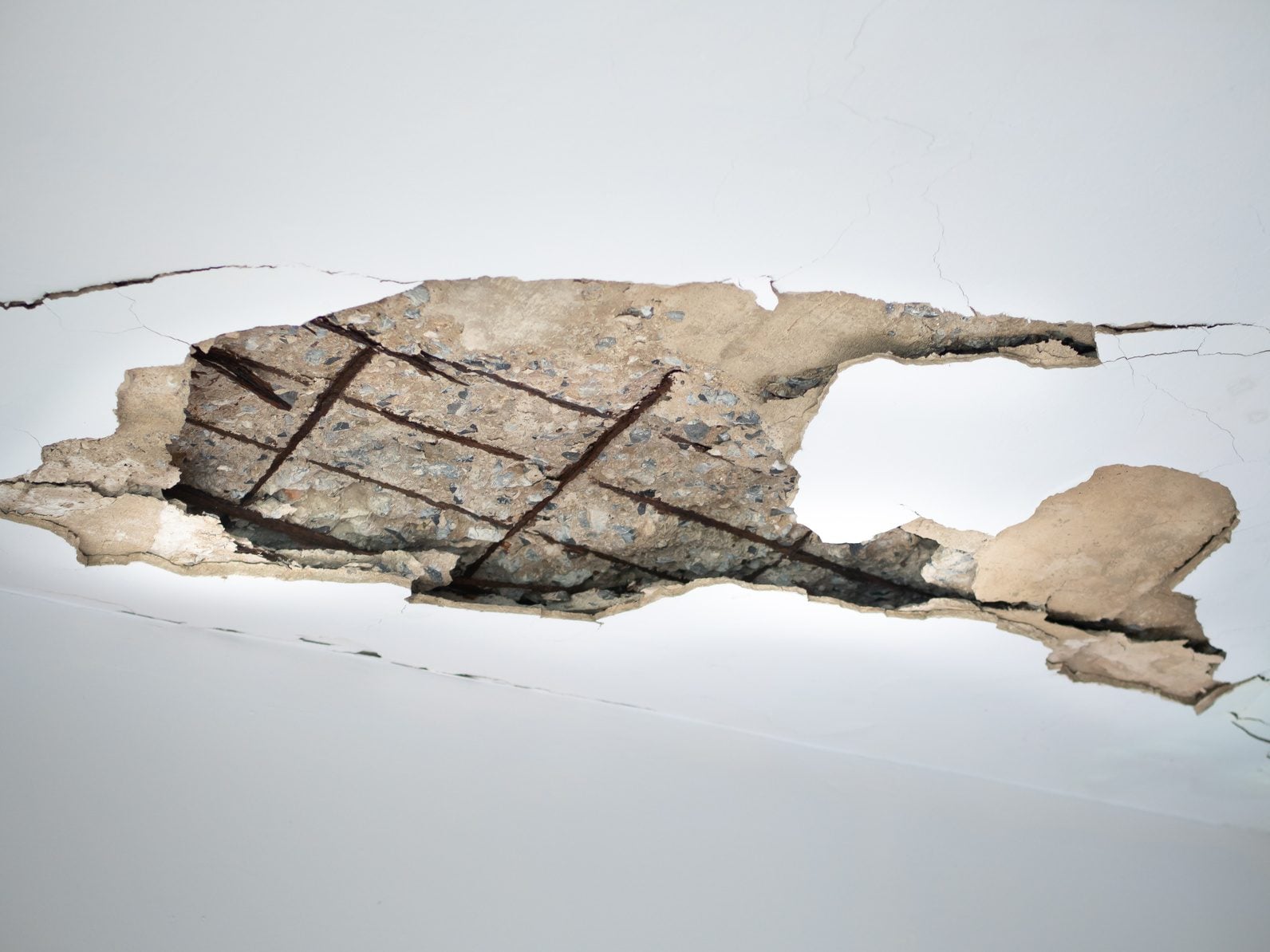
- Floodwater from outside is usually the dirtiest kind of water damage, so soaked porous materials often need to come out.
- The Texas Department of Insurance says a homeowners policy won't pay for flooding, and flood coverage requires a separate policy.
- TDI notes that most flood policies have a 30-day waiting period before coverage starts.
- TDI warns that mold can start growing within a day after a leak, so drying should start fast.
- Photos and video taken before cleanup make any claim easier to support.
What to do first
- Stay out of standing water if outlets, cords or appliances are under it. Turn off power at the panel only if you can reach it while standing on a dry floor.
- Wear rubber boots and gloves, and keep children and pets away from floodwater.
- Take photos and video of the water line on the walls, the floors and every damaged item before you move anything.
- Move dry belongings to a higher floor or a dry room, and open windows if the weather allows.
- Call your insurance agent, then call to be connected with a local water damage provider who can inspect the home.
What does flood damage repair in Frisco involve?
Flood damage repair in Frisco usually happens in three stages: removing the water, drying the structure, and rebuilding what had to come out. Cleanup and repair are different jobs, and skipping the drying stage can trap moisture behind new drywall.
- Water removal: pumping or extracting standing water and pulling up soaked carpet and pad.
- Tear-out and drying: cutting out wet drywall and insulation, then drying studs, slabs and subfloors. See structural drying.
- Rebuild: new drywall, paint, trim, flooring and cabinets once moisture readings show the structure is dry.
For the cleanup side after a storm, read storm and flood damage cleanup.
Why is floodwater treated differently from a clean pipe leak?
Floodwater from rising water outside picks up soil, sewage, lawn chemicals and debris on its way in. Restoration providers treat it as the dirtiest category of water, while a supply-line leak usually starts out clean.
That changes the repair plan:
- Carpet and pad soaked by floodwater are usually thrown out, not dried.
- Drywall and insulation are often cut out above the water line.
- Hard surfaces such as tile, studs and concrete are cleaned and disinfected before drying.
Water backing up from a drain or toilet is handled the same way. Learn more about sewage backup cleanup.
What can be saved after a flood, and what has to be replaced?
Hard, non-porous items can often be cleaned and kept, while soft, porous materials soaked by floodwater usually have to be replaced. The deciding factors are how dirty the water was and how long things stayed wet.
- Often saved: tile, solid wood framing, concrete slabs, metal and glass, after cleaning and drying.
- Often replaced: carpet and pad, drywall and insulation below and just above the water line, particleboard cabinets and mattresses.
- Case by case: hardwood floors, solid wood furniture and some cabinets.
Compare the choices in dry and restore vs. replace.
Need help now? Call to be connected with a local provider in Frisco who can check availability for your address.
Does homeowners insurance cover flood damage repair in Texas?
Usually not. The Texas Department of Insurance (TDI) says a homeowners policy won't pay for flooding, and that flood coverage requires a separate policy. Check your policy and document everything.
- Water from a burst pipe or appliance is different. TDI says most homeowners and renters policies cover sudden and accidental water damage, such as a burst pipe, but usually not gradual leaks.
- TDI also notes that flood insurance doesn't pay for burst-pipe damage, so the cause of the water matters.
- If you have a flood policy, call that insurer as well as your homeowners agent if you are not sure which applies.
For the paperwork, read water damage insurance claim basics.
How should I document flood damage before repairs start?
Document the damage before anything is thrown out. Clear photos and notes help your insurer see what happened and how high the water rose.
- Photograph the water line on walls in every room, then wider shots of each room.
- Take close-ups of damaged furniture, appliances and flooring, plus model and serial numbers where you can.
- Keep a small sample of carpet or flooring if your adjuster asks for one.
- Write down the date, time and what you saw, and save receipts for anything you buy to protect the home.
- Keep copies of moisture readings and any written quote from the provider.
How long do insurers in Texas have to respond to a flood or water claim?
Under Texas law as summarized by TDI, an insurer must acknowledge a claim within 15 days, accept or deny it within 15 business days of getting all the information it needs, and pay within five business days after agreeing to pay. This is general guidance, not legal advice.
If you have questions about how a claim is being handled, the Texas Department of Insurance runs a consumer help line listed on its website.
Can mold grow after a flood, and who can remove it in Texas?
Yes. TDI warns that mold can start growing within a day after a leak, which is why drying should start fast. TDI also says mold from a flood is not covered by a homeowners policy.
- A homeowner can take mold samples or clean up mold in their own home without a license.
- The Texas Department of Licensing and Regulation (TDLR) regulates mold assessment and mold remediation companies, and one licensee may not do both on the same project.
- Anyone can check a Texas mold license with TDLR's license search.
See mold remediation after a leak for more.
What happens during the visit?
The visit starts with an inspection. The provider walks the flooded rooms, finds how high the water reached, and measures moisture in walls, floors and the slab.
Next, they explain your options in plain words: what can be cleaned and dried, what likely needs to come out, and what the rebuild may include.
Before any work begins, you get a written quote to review and share with your insurer. Learn more in how it works.
What should Frisco homeowners know about local conditions and flood repair?
Homes in Frisco, Little Elm, The Colony and Prosper share the same North Texas soil and weather.
- The Blackland Prairie, home of the highly expansive Houston Black clay, extends from north of Dallas south to San Antonio. These clays shrink and swell markedly with changes in moisture content.
- The National Association of Home Builders reports that 97.9% of new single-family homes in the West South Central census division, which includes Texas, were built on slab foundations in 2024. Water on a slab floor soaks into flooring and the bottom of walls first.
- From February 11-19, 2021, most of Texas had prolonged freezing temperatures, and DFW Airport stayed below freezing for 139 consecutive hours. Flood insurance doesn't pay for burst-pipe damage, so a freeze leak is handled differently from a flood.
- Insurers reported 21,715 claims in Collin County and 16,155 in Denton County from that storm, as of March 31, 2022, across all insurance lines combined.
TDI notes that most flood policies have a 30-day waiting period, so do not wait for a storm in the forecast to look into coverage. The site also has pages for Little Elm and The Colony.
Related pages
Questions people ask
Who do I call for flood damage repair in Frisco after water gets into my house?
Call your insurance agent, then call to be connected with a local water damage provider in Frisco. The provider can inspect the home, measure moisture and explain your repair options.
Is flood damage covered by homeowners insurance in Texas?
Usually not. The Texas Department of Insurance says a homeowners policy won't pay for flooding and that flood coverage requires a separate policy.
Can I buy flood insurance right before a storm hits Frisco?
You can apply, but it may not help for that storm. TDI notes that most flood policies have a 30-day waiting period before coverage starts.
What is the difference between flood damage and water damage for insurance?
Flood damage comes from rising water outside the home, while water damage usually means water from inside, like a burst pipe. TDI says most homeowners policies cover sudden and accidental water damage but not flooding.
Does flood insurance pay for a burst pipe?
No. TDI says flood insurance doesn't pay for burst-pipe damage, which is usually a homeowners policy question.
Is it safe to walk through floodwater in my house?
Not if there is any chance the water is touching outlets, cords or appliances. Keep out until power to that area is off, and wear boots and gloves because floodwater is usually dirty.
Can carpet be saved after a flood?
Usually not when the water came from outside. Carpet and pad soaked by floodwater are normally thrown out because the water carries soil and sewage.
Do I have to cut out drywall after my house floods?
Often yes. Drywall and insulation soaked by floodwater are usually cut out above the water line so the wall cavity can be cleaned and dried.
How soon should drying start after a flood in my home?
As soon as it is safe. TDI warns that mold can start growing within a day after a leak, so the first day or two matters most.
Will mold from a flood be covered by my homeowners policy?
Usually not. TDI says mold from a flood is not covered, and most home policies don't include mold cleanup and testing after the damaged item is removed.
Can I clean up mold myself after a flood in Texas?
Texas law lets a homeowner take mold samples or clean up mold in their own home without a license. That is a license rule, not advice that it is safe, so get a professional opinion for larger areas.
What should I take pictures of after my house floods?
Photograph the water line on every wall, each room from a few angles, damaged furniture and appliances, and serial numbers. Do it before anything is removed.
Should I throw away flood-damaged items before the adjuster comes?
Ask your insurer first. If something must go for safety, photograph it, note what it was and keep a sample if you can.
How long does an insurance company in Texas have to answer my claim?
Under Texas law as summarized by TDI, an insurer must acknowledge a claim within 15 days and accept or deny it within 15 business days of getting all the information it needs. Your policy and claim details still matter.
Who can I call if I have a problem with my flood or water damage claim in Texas?
You can contact the Texas Department of Insurance, which runs a consumer help line listed on its website. It can answer questions about how claims are handled.
Can a flooded slab floor in a Frisco home be dried?
Yes, a concrete slab can usually be cleaned and dried, but it takes time and should be checked with a moisture meter before new flooring goes down.
Are wood kitchen cabinets ruined after a flood?
It depends on the material and how long they sat in water. Solid wood can sometimes be cleaned and dried, while particleboard boxes usually swell and need replacing.
Does water from a sewer backup count as flood damage?
Not usually for insurance. A sewer or drain backup is a different kind of loss, so check your policy, but it is cleaned like floodwater because the water is dirty.
What happens when a water damage provider comes out to look at flood damage?
They inspect the flooded rooms, measure moisture and explain what can be dried and what needs to come out. You get a written quote before any work begins.
Why does my house still smell musty weeks after a flood?
A musty smell usually means something is still wet, often inside a wall, under flooring or in the slab. Have the area checked with a moisture meter.
Does North Texas clay soil matter after a flood?
It can. The Blackland Prairie clay that extends from north of Dallas south to San Antonio shrinks and swells with moisture changes, so have any new cracks or sticking doors looked at by a qualified inspector.
Talk to someone about your water damage problem
Call to be connected with a local provider who can check availability for your address and explain the next step.