Water Damage Restoration in McKinney, TX Rentals
Water damage restoration in McKinney, TX rental homes goes smoothest when the landlord, the tenant and the provider act together in the first day. Stop the water, take photos, tell the other party, and start drying. Call to be connected with a local provider who can inspect the home and explain your options.
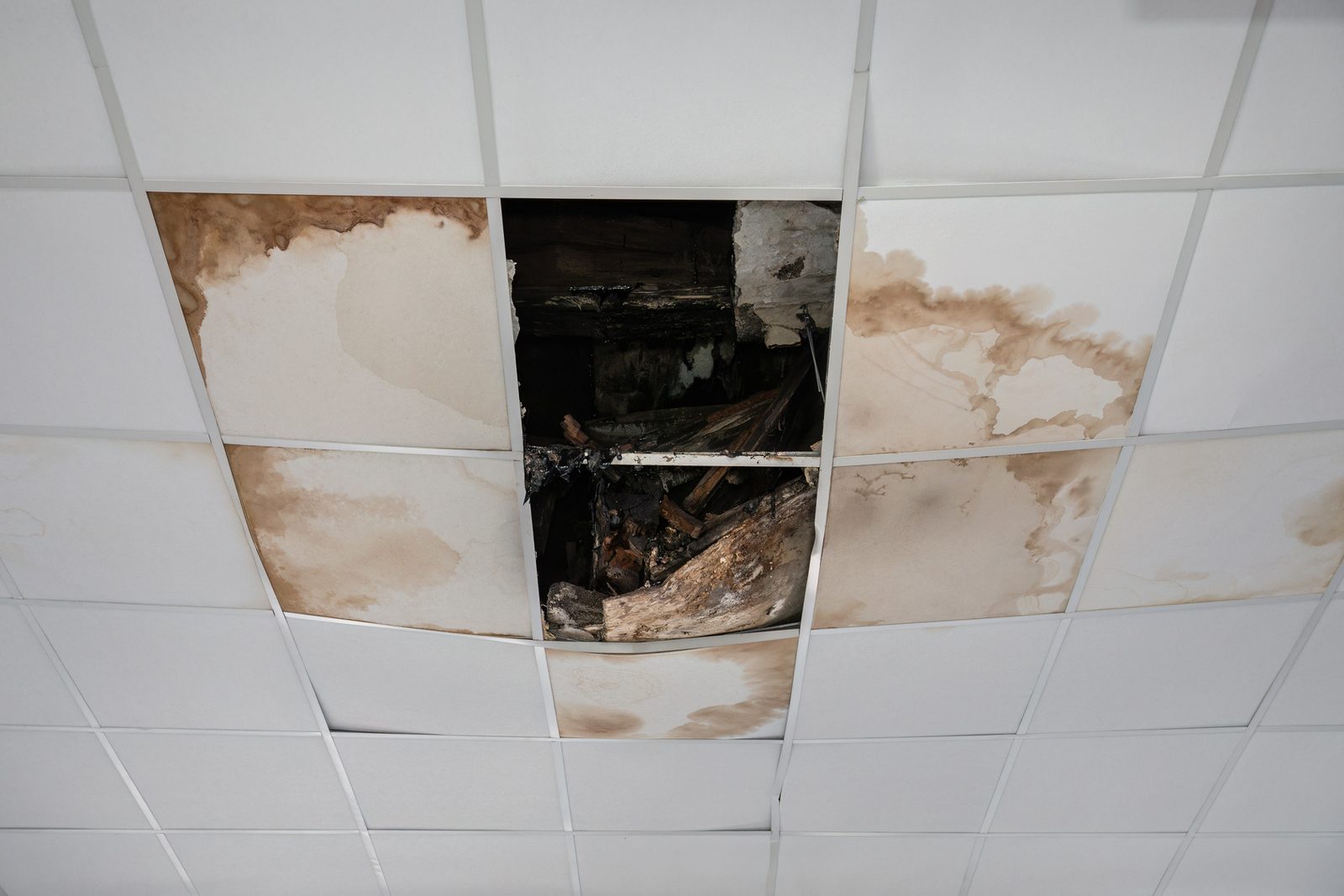
- In a rental, the tenant usually sees the leak first, but the owner usually decides on repairs, so both should be in contact right away.
- The Texas Department of Insurance warns that mold can start growing within a day after a leak.
- Many policies treat sudden damage, like a burst pipe, differently from gradual leaks. Check your policy and document everything.
- A landlord's policy and a tenant's renters policy usually cover different things, so each side should call its own insurer.
- In Texas, an owner or managing agent of a residential property with fewer than 10 units does not need a mold license to do mold work there.
What to do first
- Turn off the water at the home's main shutoff valve if a pipe, hose or fixture is leaking.
- If water is near outlets, cords or appliances, turn off power to that area at the breaker only if you can reach the panel while standing on a dry floor.
- Take photos and video of the water, the source and any damaged items before moving anything.
- Tenants: tell the landlord or property manager in writing. Landlords: confirm the report and the next step in writing.
- Call to be connected with a local water damage provider who can check availability for the address.
What does water damage restoration in McKinney, TX involve for a rental home?
Water damage restoration in McKinney, TX rental homes means finding where the water went, removing standing water, drying the walls, floors and cabinets, and repairing what cannot be saved. The steps match an owner-occupied home. What changes is who decides, who pays and who must be kept informed.
- Extraction: pulling standing water out of carpet, pad and floors. See emergency water extraction.
- Drying: air movers and dehumidifiers run until moisture readings return to normal. See structural drying.
- Repair: replacing drywall, pad or flooring that stayed wet too long.
The tenant may still live in the home during the work, so access and furniture moving matter more than usual.
Who should call when a McKinney rental has a leak, the landlord or the tenant?
Both should act, but in different ways. The tenant should stop the water if they safely can, take photos and tell the landlord in writing. The landlord or property manager usually arranges and approves the restoration work, because the walls, floors and fixtures belong to the owner.
Problems start when each side waits for the other. A few habits help:
- Put the emergency contact and shutoff valve location in the lease packet.
- Agree in advance that a tenant may call for an inspection when the owner cannot be reached.
- Keep texts and emails about the leak in one thread.
Repair decisions remain the owner's to make.
What should a landlord do in the first day after a leak?
In the first day, the goal is to stop the source, keep the tenant safe, and start drying before materials soak through. The Texas Department of Insurance warns that mold can start growing within a day after a leak, so a slow response can turn a drying job into a mold job.
- Confirm the water is off with a photo of the closed valve.
- Ask for photos and video of every wet room and the source.
- Arrange an inspection so moisture is measured inside walls and under flooring.
- Talk to the tenant about living in the home. Sewage backups may need the area kept off limits.
- Contact your insurer early and note the claim number.
Need help now? Call to be connected with a local provider in Frisco who can check availability for your address.
How do you keep the tenant's belongings and the owner's property separate?
Make two lists from the start: one for the building and one for the tenant's things. The owner's list covers drywall, flooring, cabinets and built-in appliances. The tenant's list covers furniture, clothes and electronics. The two lists usually go to two different insurers, and keeping them apart avoids arguments later.
- Photograph each damaged item in the room where it was.
- Do not throw anything away before it is photographed, unless it is a health risk, such as items soaked in sewage.
- Keep the provider's moisture readings with the owner's file.
Does insurance help with water damage in a rental home?
It depends on the policy and on what caused the water. Many policies treat sudden damage differently from gradual leaks, so check your policy and document everything. The Texas Department of Insurance says most homeowner and renters policies cover sudden and accidental water damage, such as a burst pipe, but usually won't cover gradual leaks or seepage.
- A rental owner's policy is often a different type than one for a home they live in. Read the water and mold sections.
- A tenant's belongings are generally not part of the owner's policy. Tenants should call their own renters insurer.
- TDI says a homeowners policy won't pay for flooding, which requires a separate policy.
For the paperwork, read water damage insurance claim basics.
What happens during the visit?
The visit starts with an inspection. The provider finds the source, checks how far the water spread, and measures moisture in walls, floors and ceilings, since wet drywall often looks dry on the surface.
Next, they explain your options in plain words: what can be dried in place, what likely needs to be removed, and whether the water is clean, gray or dirty.
Before any work begins, you get a written quote. The owner or manager can review it and decide. If you are the tenant, ask that the quote be sent to the owner too. See how it works.
When does mold become a licensing issue for a rental owner in Texas?
Under Texas rules, an owner, managing agent or employee of a residential property does not need a mold license to work on that property only if it has fewer than 10 residential dwelling units. A single-family rental falls under that limit. A larger complex does not.
The Texas Department of Licensing and Regulation (TDLR) regulates mold assessment and mold remediation businesses. One licensee may not do both the assessment and the remediation on the same project, and anyone can check a mold license with TDLR's license search.
Being allowed to do the work yourself does not mean it is a good idea. See mold remediation after water damage.
How can you lower the chance of another leak between tenants?
The simplest step is a short water check at every move-out and move-in. Most rental leaks come from parts that wear out quietly, like supply lines, water heater fittings and tub seals.
- Look under sinks and behind toilets for damp cabinet floors.
- Check the water heater pan and the washer box.
- Look at ceilings below upstairs bathrooms for faint stains.
- Test and label the main shutoff valve.
Read signs of hidden water damage and appliance leak cleanup.
What should McKinney and Collin County rental owners know about local conditions?
Rental owners in McKinney, Allen, Prosper and Frisco deal with the same North Texas weather swings, and vacant units are most at risk because nobody is there to notice a leak.
- At DFW Airport, the average first freeze is November 22 and the average last freeze is March 12, according to the National Weather Service. Vacant rentals should have heat set and pipes protected before that window.
- During the February 2021 freeze, DFW Airport fell to -2°F on February 16, 2021, and stayed below freezing for 139 consecutive hours.
- Insurers reported 21,715 claims in Collin County and 16,155 in Denton County from that storm, as of March 31, 2022. Those counts cover all insurance lines, not just pipes.
- TDI warns that home and renters policies might not pay for damage caused by frozen pipes if you didn't take steps to protect your pipes. Keep records of what you did to winterize a vacant unit.
If you own a rental elsewhere in the area, the site also has pages for McKinney, Allen and Celina.
Related pages
Questions people ask
Who do I call for water damage restoration in McKinney, TX if I rent my home?
Tell your landlord or property manager first, in writing, and stop the water if you safely can. If you cannot reach them and water is still spreading, you can call to be connected with a local provider in McKinney who can inspect and explain what they see, while repair decisions stay with the owner.
Is my landlord responsible for drying out water damage in my apartment or rental house?
In most cases the owner handles repairs to the building, such as walls, floors and fixtures. Your lease and Texas law set the details, so read your lease and ask the owner how they want leaks reported.
Does a renters insurance policy cover my furniture if a pipe bursts in my rental?
It may, depending on your policy. The Texas Department of Insurance says most renters policies cover sudden and accidental water damage like a burst pipe, but usually not gradual leaks, so call your insurer and document everything.
How fast does a landlord need to start drying after a leak in a rental?
As soon as possible. The Texas Department of Insurance warns that mold can start growing within a day after a leak, so drying should start in the first day or two.
Can I stay in my rental home while water damage restoration is happening?
Often yes, if the damage is limited to one area and the water was clean. If the water came from a sewage backup or the damage affects the kitchen or the only bathroom, the provider can explain whether part of the home should be off limits.
What should I take pictures of after a leak in a rental property?
Photograph the source, the standing water, every wet room, stains on ceilings and walls, and each damaged item. Take wide shots and close-ups, and keep the files with dates attached.
Do I need a licensed mold company to clean mold in my McKinney rental house?
Not always. Texas rules let an owner, managing agent or employee of a residential property with fewer than 10 units do mold work there without a license, but that is a license rule only, not advice that doing it yourself is safe.
Can the same company test for mold and then remove it in Texas?
No. Texas mold rules prohibit one licensee from doing both the mold assessment and the mold remediation on the same project, to prevent conflicts of interest.
What is a Certificate of Mold Damage Remediation and why would a landlord want one?
It is a document the remediation contractor must sign and give the client after a mold remediation project in Texas. Sellers must give buyers copies of certificates received in the preceding five years, so owners who may sell later should keep it.
How do I find the water shutoff valve in a rental house in McKinney?
Many North Texas homes have a private shutoff valve near an outside faucet close to the house, or in a box near the water meter at the street. Ask the owner to show you where it is when you move in, before you ever need it.
What happens when someone comes out to look at water damage in a rental?
The provider inspects the area, measures moisture in walls and floors, explains your options, and gives a written quote before any work begins. The owner or manager decides whether to go ahead.
Does homeowners insurance cover flooding from a storm in a rental property?
Usually not. The Texas Department of Insurance says a homeowners policy won't pay for flooding, and flood coverage requires a separate policy.
How long does an insurer have to respond to a water damage claim in Texas?
Under Texas law as summarized by TDI, an insurer must acknowledge a claim within 15 days and accept or deny it within 15 business days of getting all the information it needs. This is general guidance, not legal advice.
Is carpet in a rental always replaced after water damage?
No. Clean water caught early can sometimes be dried in place, while carpet and pad soaked by dirty water usually need to be removed.
What can landlords in Collin County do before winter to prevent burst pipes?
Protect exposed pipes, keep heat on in vacant units, and make sure tenants know where the shutoff valve is. TDI warns policies might not pay for frozen-pipe damage if you didn't take steps to protect your pipes.
Talk to someone about your water damage problem
Call to be connected with a local provider who can check availability for your address and explain the next step.